Stack Your Day at Home: Smooth Mornings, Calmer Nights

Today we’ll dive into habit stacking for morning and evening routines at home, turning tiny actions into reliable chains that guide your energy, focus, and calm. Expect practical steps, gentle science, and stories you can copy, adapt, and celebrate starting tonight and tomorrow.

Why Small Links Create Big Chains

Tiny behaviors, when hooked to actions you already do, grow into steady rituals that feel almost automatic. Researchers and coaches from BJ Fogg to James Clear echo this simple truth: reduce friction, define the next tiny step, and attach it to something consistent. I started with boiling the kettle and immediately opening my journal; within a week, the steam became a friendly cue that nudged reflection without debate.

Anchors That Never Fail

Choose actions you never skip—brushing teeth, starting the coffee maker, opening blinds—as anchors that reliably fire your next move. The secret is predictability. If your anchor happens daily, your new behavior gets countless low-pressure repetitions. Over time, the link strengthens like a well-worn path, and resistance fades, leaving behind a gentle momentum that carries you forward even on sleepy mornings.

Cues, Cravings, Response, Reward

Understand the loop driving behavior: a clear cue, a small desire, a simple response, and a rewarding feeling. With habit stacking, the cue is your existing action, the craving is relief or progress, the response is the tiniest possible step, and the reward is a breath, a smile, or a checked box. Designing each step makes good choices almost effortless and pleasantly repeatable.
Build Your Sunrise Stack

Wake, Water, Light, Move

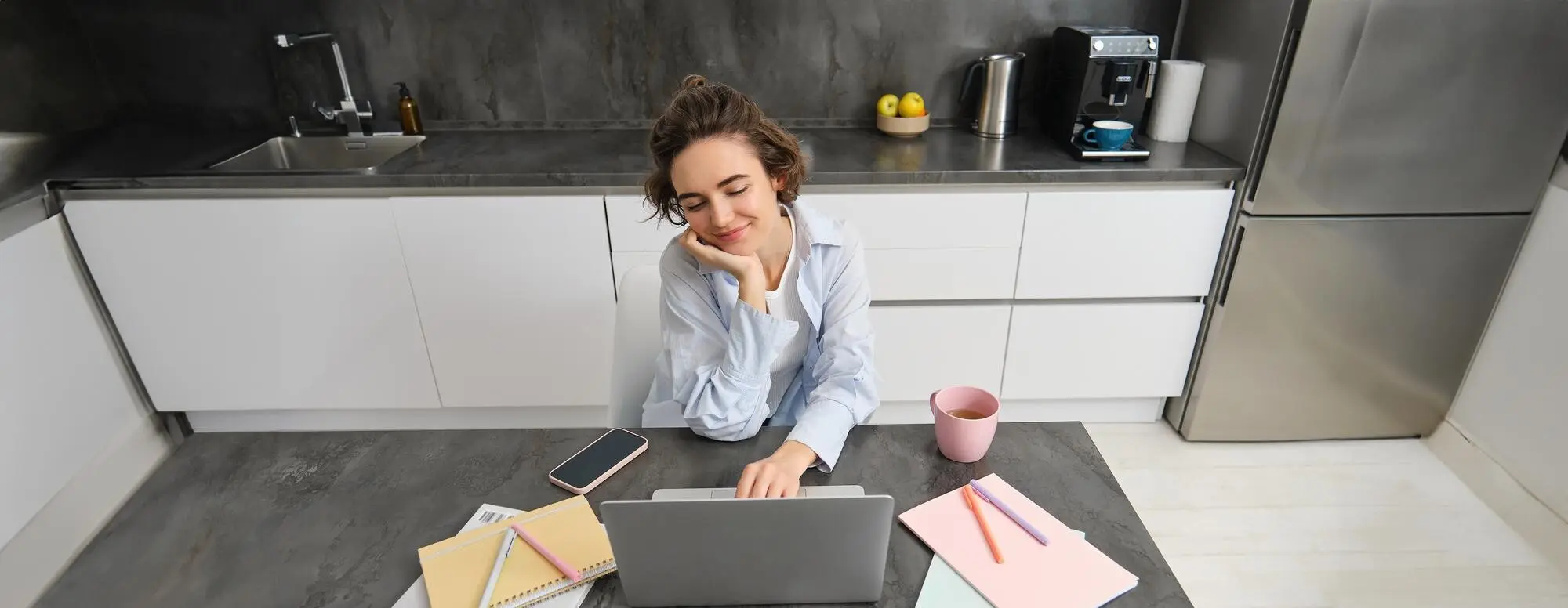
Start by opening curtains or switching on a bright, warm lamp to signal your brain it’s go-time. Drink water before coffee to gently hydrate. Add a micro-movement—ten calf raises or a thirty-second spine twist. The moves are tiny by design, crafted to be done even when groggy. Over weeks, this modest choreography cues alertness naturally, without demanding superhero effort you cannot reliably supply every weekday.

The Two-Minute Rule for Momentum

Start by opening curtains or switching on a bright, warm lamp to signal your brain it’s go-time. Drink water before coffee to gently hydrate. Add a micro-movement—ten calf raises or a thirty-second spine twist. The moves are tiny by design, crafted to be done even when groggy. Over weeks, this modest choreography cues alertness naturally, without demanding superhero effort you cannot reliably supply every weekday.

Designing Frictionless Mornings

Start by opening curtains or switching on a bright, warm lamp to signal your brain it’s go-time. Drink water before coffee to gently hydrate. Add a micro-movement—ten calf raises or a thirty-second spine twist. The moves are tiny by design, crafted to be done even when groggy. Over weeks, this modest choreography cues alertness naturally, without demanding superhero effort you cannot reliably supply every weekday.

Wind-Down with Purpose

Evenings invite gentle closure. A well-placed anchor, like loading the dishwasher or dimming lights, can lead into calm breathing, light stretching, and tomorrow preparation. Rather than battling screens and racing thoughts, build a chain that soothes. Protect sleep with consistent signals, small comforts, and clear boundaries. This stack becomes a nightly promise that welcomes rest, reduces late-night snacking, and preserves patient attention for the next day’s priorities.

Screens Off, Lights Low, Breath Slow

Pick a screen curfew you can keep most nights, then dim lamps to cue melatonin. Follow with three slow breaths or a brief box-breathing pattern to ease tension. This transition sequence is short, kind, and repeatable. Over time, your nervous system associates softer light and slower breathing with safety and repair, making it easier to drift toward bed without wrestling thoughts or chasing one more notification.

Reset the House, Reset the Mind

Attach a tiny tidy-up to an inevitable anchor, like closing the kitchen. Wipe counters, set the sponge to dry, and return stray items to a basket. The visible reset reduces cognitive clutter tomorrow morning. You are not aiming for magazine perfection, only a five-minute restoration that says, “Future me deserves an easy start.” This small act compounds emotional relief and prevents decision fatigue before breakfast even begins.

Close the Day, Prime Tomorrow

After dimming lights, jot three quick notes: a win, a lesson, and the next most important action. Then place one object—a book, water bottle, or gym sock—where tomorrow’s stack begins. This tiny handoff links nights to mornings, forming a loop that gently carries intentions forward. The practice is brief, gracefully human, and forgiving when missed, yet surprisingly powerful at reducing morning friction and indecision.

Science That Makes It Stick

Reliable routines cooperate with biology. Morning light supports the cortisol awakening response, while evening dimness helps melatonin rise. Context-dependent memory makes repeating behaviors in the same place easier. Implementation intentions—if X, then Y—simplify choices when tired. Stacking leverages all of this by piggybacking on existing cues, shrinking steps, and rewarding completion, turning discipline into design and helping home life feel more guided than forced or chaotic.

Troubleshooting Without Guilt

Missed a day? Busy week? Habit stacks are designed to bend, not break. Shrink steps, swap anchors, and keep the spirit of the sequence alive. Focus on return speed, not streak length. Kindness sustains repetition longer than self-critique ever could. Track the smallest win—one sip of water, three breaths, a single note—so the door stays open. Progress loves low thresholds and compassionate do-overs more than perfectionism.

Make It Yours and Share

Personal stacks honor your season of life, space, and values. Borrow ideas, but edit ruthlessly until the chain feels kind, repeatable, and quietly effective. Keep notes for two weeks, refine weak links, and celebrate surprising wins. Then invite accountability by sharing your stack, asking for ideas, and learning from others’ experiments. Connection turns consistency playful, and shared stories keep motivation steady when novelty fades.